

The Truth About Debt, Credit Scores, and Why Most People Stay Stuck
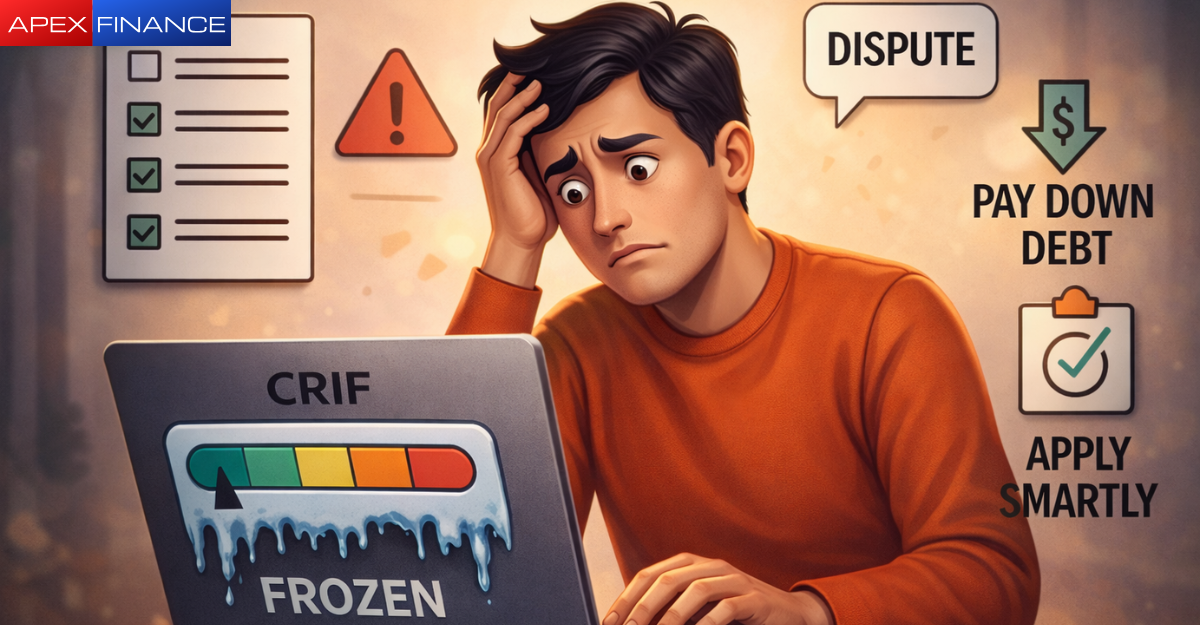
Many Americans feel stuck when their credit score drops, not realizing that small strategic changes can completely shift their financial direction.
Let me tell you something straight… most people in the U.S. are not bad with money.
They’re just overwhelmed.
You’ll see headlines saying Americans are drowning in debt, and yeah… that’s not wrong. Credit card balances crossed a trillion dollars recently. The average person is juggling multiple cards, loans, bills… and still trying to live a normal life.
But here’s what nobody explains properly:
Debt is not just numbers.
It’s behavior, stress, habits, timing… and honestly, emotions.
And until you understand that part, no strategy really works long term.
Why Two People With Same Debt End Up With Totally Different Outcomes
Let’s imagine two people.
Jake from Texas and Emily from Ohio.
Both have around $25,000 in total debt. Credit cards, a car loan, some leftover student loan stuff.
Same numbers. Same income range.
But their outcomes?
Completely different.
Jake tries to “do the smart thing.” He reads online, watches videos, learns about interest rates… and decides to attack the highest interest debt first.
Emily does something that sounds… kind of illogical. She starts paying off the smallest balances first.
Now if you ask a finance expert, they’ll say Jake is right.
But if you follow their lives for 12 months… Emily is the one who actually gets out of debt.
Why?
That’s where things get interesting.
The Strategy That Looks Smart vs The One That Actually Works
There are two main ways people try to get out of debt.
1. The “Math-Perfect” Way
This is where you attack the highest interest rate first.
So if one credit card is charging 25% and another is at 15%, you throw all extra money at the 25% one.
Makes sense, right?
You save money on interest. You reduce long-term cost.
But here’s the problem nobody talks about…
What if that high-interest card also has a huge balance?
You could be paying for months… maybe even years… and still not see it go to zero.
And that’s where people break.
Not financially. Mentally.
2. The “Human” Way
Now this is where things flip.
Instead of focusing on interest… you focus on small wins.
You take your smallest debt, knock it out completely, then move to the next.
At first, it sounds like a bad idea.
Why would you ignore interest?
But something strange happens…
You start seeing progress.
Real progress. Accounts closing. Numbers disappearing.
And your brain reacts to that.
You feel like you're winning.
And once that kicks in, you don’t stop.
What Research Quietly Proves (But Most People Ignore)
There was a large behavioral study done on people in debt programs. Thousands of real cases.
The biggest factor that predicted success wasn’t income.
It wasn’t interest rate.
It wasn’t even total debt.
It was something simple:
How many accounts they closed early on.
That’s it.
Because closing an account feels like finishing something. It clears mental space.
You go from “I have 7 problems” to “I have 6.”
That matters more than people think.
Let Me Show You What This Looks Like in Real Life
Say you’ve got this:
- $5,000 credit card (high interest)
- $5,000 second card
- $20,000 student loan
- $2,500 car loan
Now logically… you should attack the high-interest card first.
But if you instead wipe out that $2,500 car loan in 2 months…
Something shifts.
Your monthly cash frees up.
Your stress drops.
You feel in control.
And suddenly… you’re not just “paying debt.”
You’re actively eliminating it.
That difference is huge.
So Which One Should You Choose?
Honestly?
The one you’ll stick to.
That’s the truth nobody puts in headlines.
If you’re disciplined, consistent, and patient… go with the interest-first approach.
If you’re like most people—busy, stressed, distracted—then momentum matters more.
Because a perfect plan you quit is worse than an imperfect plan you finish.
Now Let’s Talk About Credit Score… The Silent Judge
Here’s where things get a little more technical… but I’ll keep it real.
Your credit score in the U.S. is basically your financial reputation.
It decides:
- Can you rent an apartment?
- What interest rate you get on a car
- Whether you qualify for a mortgage
- Sometimes even job approvals
And the crazy part?
Most people don’t actually understand how it works.
The 5 Things That Actually Control Your Score
Not everything matters equally.
Here’s the real breakdown:
1. Payment History (This is massive)
If you miss payments… your score drops hard.
Even one late payment can hurt more than people expect.
2. How Much You Owe (This is your biggest lever)
This is called utilization.
If your credit card limit is $10,000 and you’re using $8,000…
That looks risky.
Even if you pay on time.
3. Age of Your Credit
Older accounts = more trust.
Closing old cards can actually hurt you.
4. Credit Mix
Having both loans and credit cards helps a bit.
5. New Applications
Applying too often makes you look desperate for credit.
The Trick Almost No One Knows (But Works Fast)
This one is important.
Even if you pay your credit card bill in full every month… your score can still drop.
Sounds weird, right?
Here’s why:
Banks report your balance before your due date.
So if your card shows a high balance when it’s reported… your score reflects that.
Even if you pay it off later.
The Smart Move Most People Miss
Instead of paying once a month…
You pay before the statement closes.
That way… the reported balance stays low.
There’s even a strategy people use where:
- All cards show zero balance
- Except one small balance (like 5%)
This shows you’re using credit… but responsibly.
And it can boost your score faster than people expect.
Now Let’s Talk About Debt Consolidation (Where Many People Mess Up)
This is where things get risky.
Because on paper, consolidation looks like the perfect solution.
Lower interest. One payment. Simpler life.
But reality?
Not always.
The “Easy Way” – Personal Loans or Balance Transfers
You move your credit card debt into:
- A new card with 0% interest (for limited time)
- Or a personal loan with fixed payments
This can work well… if you don’t go back into debt again.
That’s the key.
Because many people do this…
And then start using their credit cards again.
Now they have:
- Loan payment
- New credit card debt
Double problem.
The Dangerous Way – Using Your House
Some people use home equity to clear debt.
Lower interest sounds attractive.
But think about this…
You’re turning unsecured debt (credit cards) into secured debt (your home).
Miss payments… and now you risk foreclosure.
That’s not just financial pressure. That’s life pressure.
The Hidden Trap Nobody Talks About
After consolidation… your credit cards show zero.
It feels like you’re debt-free.
But you’re not.
The debt just moved.
And if your habits don’t change… it comes back.
This is what people call the silent loop.
And a lot of people get stuck in it.
Fixing Your Credit When Things Are Already Messy
Now let’s say things already went wrong.
Late payments. Collections. Errors.
Here’s something powerful…
You actually have legal rights.
Under U.S. law, your credit report must be accurate.
Not “mostly correct.”
Accurate.
What You Should Look For
You’d be surprised how many reports have issues like:
- Accounts that aren’t yours
- Old debts that should be gone
- Wrong balances
- Duplicate entries
These things hurt your score… and most people never check.
The Smarter Way to Fix It
Most people go online and click “dispute.”
Quick, easy… but not always the best move.
A better approach?
Send a proper written dispute.
Because it creates a legal trail.
And forces the credit bureau to actually investigate.
Not just auto-process it.
Why This Matters More Than Ever
Credit systems are changing.
It’s no longer just about what you owe today.
It’s about your behavior over time.
Are your balances going up or down?
Are you consistently paying?
Are you improving… or slipping?
That trend now matters.
The Bigger Picture (This Is Where It All Connects)
Getting out of debt isn’t just about:
- Paying more
- Earning more
- Saving more
It’s about understanding:
- Your behavior
- Your patterns
- Your triggers
Because numbers don’t create debt.
Habits do.
If I Had to Explain It Simply…
You don’t escape debt by being perfect.
You escape it by being consistent.
You don’t build a great credit score by tricks.
You build it by predictable behavior.
And most importantly…
You don’t need a “genius strategy.”
You need one you’ll actually follow when life gets messy.
One Last Thought
If you feel stuck right now… you’re not alone.
Most people are figuring this out as they go.
Some just hide it better.
But once you understand how this system actually works…
It stops feeling like a trap.
And starts feeling like something you can control.
⚠️ Financial Disclaimer
The information provided in this article is for educational and informational purposes only and should not be considered as financial, investment, or professional advice. All investments carry risk, including the possible loss of principal. You should conduct your own research or consult with a qualified financial advisor before making any investment decisions.
About the Author

Deshraj Singh Deshraj Singh is a business entrepreneur and finance-focused content strategist, known for simplifying complex financial concepts into practical insights for everyday decision-making. With hands-on experience in building and scaling digital ventures, he brings a real-world perspective to topics like investing, money management, and wealth creation. His work focuses on helping individuals understand finance in a way that is both actionable and aligned with real-life responsibilities.
View all posts →