
Shreyas Iyer’s Wrist Injury at Mullanpur: What Really Happened, Why It Sparked Doubt, and the Truth Behind His CSK Availability
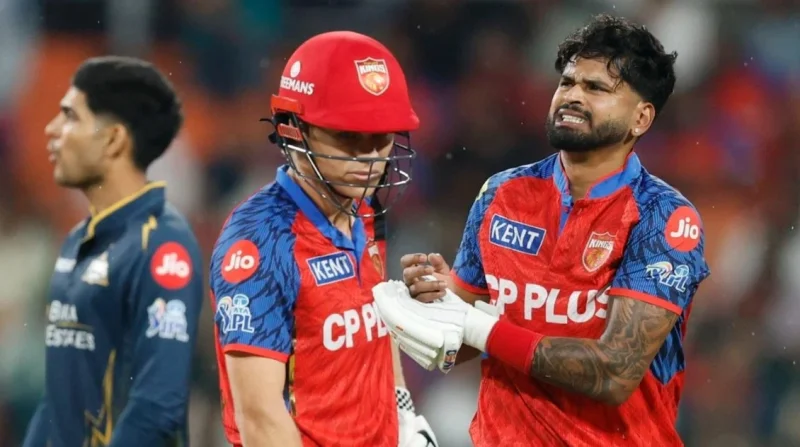
There are injuries in cricket that pass quietly—noticed, treated, and forgotten within a few overs.
And then there are moments that feel heavier than they should. Moments where the reaction goes beyond the physical, where something deeper—memory, doubt, expectation—takes over.
Shreyas Iyer’s wrist injury at Mullanpur was one of those moments.
It wasn’t just about a ball hitting a hand.
It became a conversation about trust, availability, and whether Punjab Kings’ captain would show up for one of the toughest fixtures of the season—against Chennai Super Kings at Chepauk.
But strip away the noise, and the story becomes much simpler.
And much more real.
The Moment That Changed the Mood

March 31, 2026.
Punjab Kings vs Gujarat Titans.
Mullanpur Stadium.
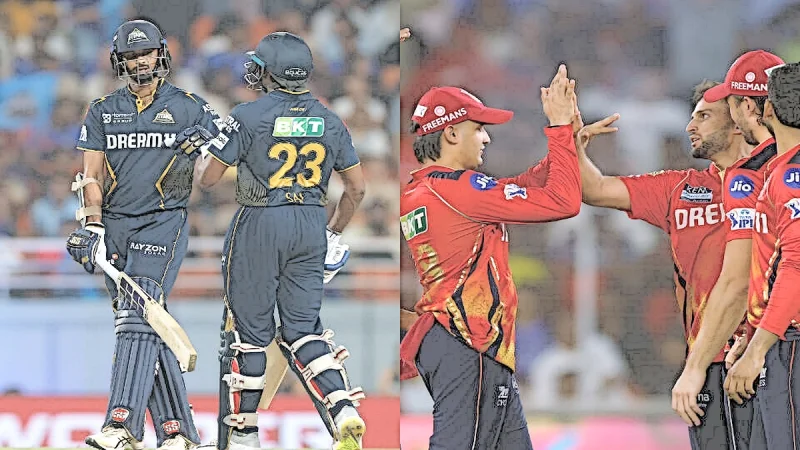
In the 12th over, Cooper Connolly played a straight drive—clean, powerful, and firmly struck. The kind of shot that usually earns applause.
But at the non-striker’s end stood Shreyas Iyer.
The ball didn’t deviate. It didn’t slow down.
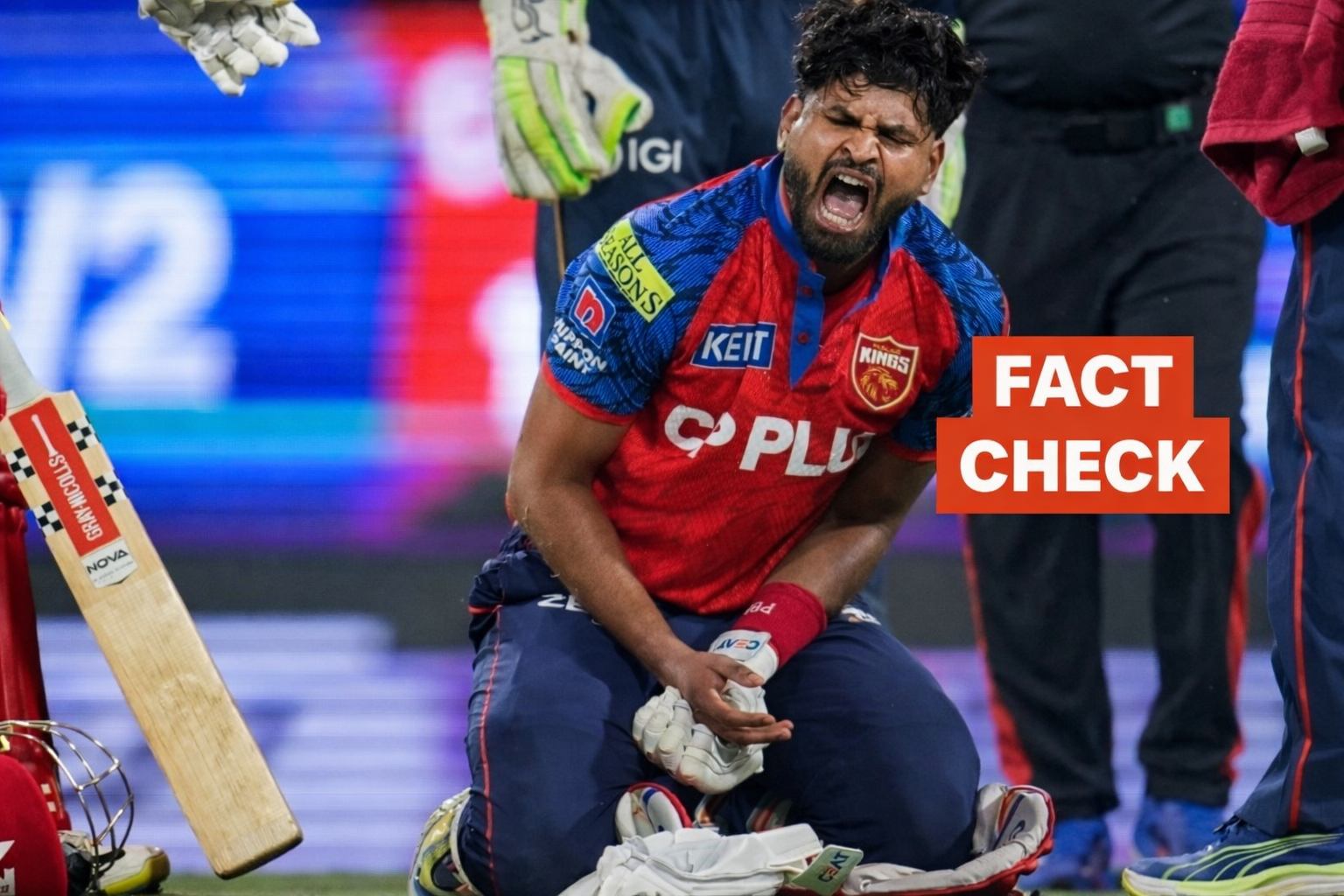
It crashed directly into his right wrist.
He went down almost instantly, clutching his hand. Not dramatically—but instinctively. The kind of reaction you don’t fake because it comes before thought.
For a brief moment, the stadium lost its voice.
Teammates rushed in. The physio followed. Ice packs came out quickly, pressed firmly against the swelling area. There was visible discomfort, but also something else—intent.
Iyer didn’t walk off immediately.
He Stayed. But Not Fully Himself
What followed is important—and often overlooked in the noise.
Iyer chose to continue batting.
That decision alone tells you something. Players protecting themselves don’t stay in the middle after a direct blow to the wrist. Especially not captains early in a tournament.
But continuing and performing are two different things.
His grip wasn’t the same.
His bottom hand lacked control.
Timing—so crucial to his style—looked slightly off.
He managed 18 runs. But those runs didn’t reflect his condition. They reflected effort, not fluency.
After his dismissal, there was no dramatic exit. No visible panic. Just a quiet walk back—holding the wrist, still assessing the damage.
Read More
The World Test Championship 2025–27
But Devdutt Padikkal Just Changed That Forever
PSL 2026 Turns Dramatic
The Silence That Created Questions
After the match, Iyer didn’t offer a detailed medical update.
He simply said he didn’t want to “jinx it.”
It was a harmless comment. Almost superstitious. Very normal in cricketing culture.
But in today’s environment, incomplete information doesn’t stay incomplete—it gets filled.
And quickly, the focus shifted from:
“How bad is the injury?”
to
“Will he play the next match?”
The CSK Question: Availability or Absence?
The next game was the real test—not of fitness alone, but of perception.
Punjab Kings were set to face Chennai Super Kings at Chepauk.
A venue where experience and composure matter more than brute force.
For PBKS, Iyer isn’t just a captain—he’s the stabilizer:
- Someone who rotates strike on slow pitches
- Someone who absorbs pressure in middle overs
- Someone who allows aggressive players to play around him
So naturally, one question dominated discussions:
Would Shreyas Iyer play against CSK?
And that’s where speculation began.
What Actually Happened After the Injury
Instead of relying on assumptions, let’s look at what unfolded step by step:
1. Immediate Treatment
On-field icing reduced initial swelling. There was no sign of deformity—an early indicator that a fracture was unlikely.
2. Medical Scans (April 2)
Iyer underwent scans to rule out serious damage.
Result:
- No fracture
- No ligament tear
- No structural injury
Only:
- Deep bone bruise
- Soft tissue swelling
3. Team Confirmation
Punjab Kings’ support staff, including assistant coach Brad Haddin, confirmed the scans were “normal.”
4. Practice Session Check
Iyer returned to training and underwent controlled batting sessions to test:
- Grip strength
- Shot execution
- Pain tolerance
He completed them.
Fact Check—Built Into the Timeline
Instead of separating facts later, let’s address the biggest doubts exactly where they arose:
Did he break his wrist?
No.
Medical scans confirmed there was no fracture.
Was the injury serious enough to miss matches?
No structural damage means recovery depends on pain management—not long-term healing.
Such injuries are painful, but not season-ending.
Was he avoiding the CSK match?
There is no evidence of avoidance.
In fact:
- He trained
- He passed fitness assessments
- He was available for selection
Why did it look serious then?
Because wrist injuries are deceptive:
- Immediate pain is intense
- Swelling appears quickly
- Grip loss is visible on camera
What looks alarming in real-time isn’t always medically severe.
Why Fans Still Had Doubts
Even after reports came out, the conversation didn’t settle immediately.
And that’s not entirely surprising.
Modern cricket fans don’t just watch matches—they track patterns:
- Player workload
- Injury timelines
- Match importance
So when a captain gets injured right before a big game, questions naturally arise.
But here’s the difference:
Questioning is normal.
Assuming without facts isn’t.
And in this case, facts arrived—but slightly later than the speculation.
The Chepauk Factor: Why His Presence Mattered
Chepauk isn’t just another ground.
It demands:
- Patience over power
- Placement over aggression
- Game awareness over instinct
Iyer’s game is built for such conditions.
His ability to:
- Rotate strike
- Handle spin calmly
- Build innings without panic
makes him crucial in matches like these.
Punjab Kings weren’t just hoping he’d play—they needed him.
And once he cleared fitness tests, the decision became straightforward.
Pain vs Performance: The Real Equation
Cleared to play doesn’t mean fully recovered.
This is where professional sport operates in a grey zone.
A player can be:
- Medically fit
- Functionally capable
- But still in discomfort
That’s exactly what a bone bruise does.
It doesn’t stop you from playing.
It just makes every shot a little harder.
Every grip slightly uncomfortable.
Every impact a reminder.
What This Incident Really Shows
Strip away everything else, and this incident highlights something simple:
Cricket isn’t just physical—it’s perceptual.
- A visible injury creates concern
- A quiet update creates doubt
- A big upcoming match creates speculation
Put them together, and even a minor injury can feel like a major storyline.
Final Reality Check
By the time Punjab Kings prepared for their next match:
- Shreyas Iyer had no fracture
- He had successfully trained
- He had been cleared by medical staff
The wrist injury was real.
The pain was real.
But the doubts around his availability were not supported by facts.
Closing Note: A Simple Injury, A Loud Reaction
At Mullanpur, it took less than a second for the ball to hit Iyer’s wrist.
But the reaction that followed lasted days.
Not because the injury was severe.
But because modern cricket doesn’t just process events—it amplifies them.
In the end, this wasn’t a story about absence.
It was a story about a player who got hit, stayed on, got checked, and was ready again.
Simple.
Sometimes, the truth in cricket is exactly that.
About the Author

Sudhanshu Shekhar Sudhanshu Shekhar is a cricket analyst and sports writer specializing in IPL, international cricket, and tournament analysis. As the Sports Editor of ApexAdPros, he provides in-depth match breakdowns, player insights, and cricket statistics for fans around the world. His coverage focuses on match strategies, key moments, and emerging cricket talent across global tournaments.
View all posts →