
Suryakumar Yadav: Glory and a Lasting Place in Indian Cricket Folklore
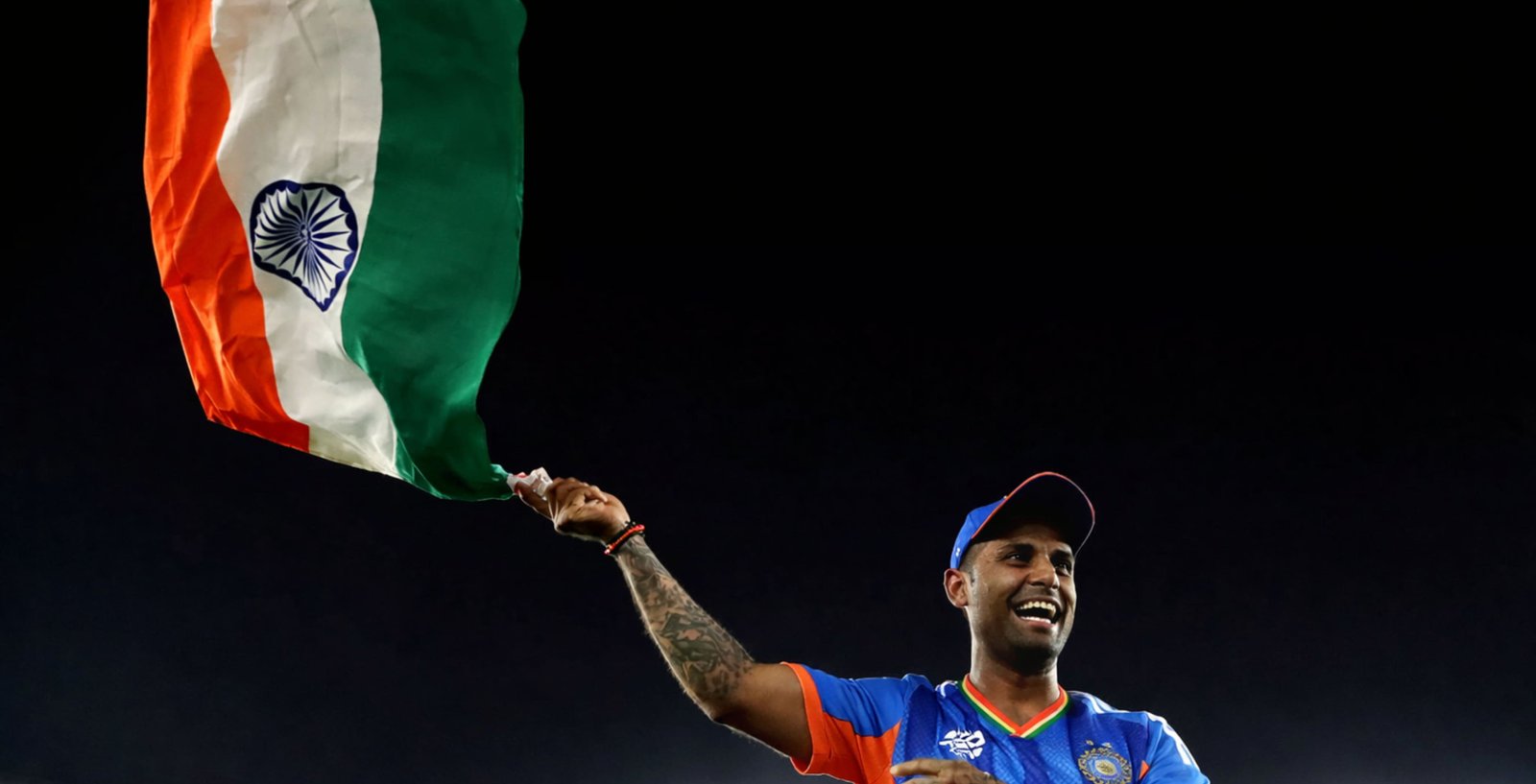
If nothing else, India may have discovered another national icon. Suryakumar Yadav, once considered an underrated figure leading a star-studded Indian side, has now carved his name into the country’s cricketing folklore. Whether the T20 World Cup triumph elevates him to the legendary stature of captains like MS Dhoni, Rohit Sharma, or Kapil Dev will only be known with time. However, the recent success has already shown that Indian cricket remains capable of making bold and correct decisions.
When Rohit Sharma retired after the 2024 World Cup victory, Suryakumar was not initially viewed as the frontrunner for the captaincy. Hardik Pandya appeared to be the natural choice. Yet the decision-makers at the Board of Control for Cricket in India (BCCI), along with chief selector Ajit Agarkar and head coach Gautam Gambhir, believed Suryakumar was the better fit.
Their reasoning was simple: Hardik already carried significant responsibility as an all-rounder with both bat and ball. Adding captaincy to his workload might have been too demanding. That opened the door for Suryakumar, who ultimately entered the history books as a World Cup-winning captain—a journey that began nearly 16 years earlier.
Early Signs of a Unique Talent
The story dates back to a Sunday morning in December 2009 at Bombay Gymkhana. A young Suryakumar was showcasing strokes rarely seen on Mumbai’s maidans—scoops, reverse sweeps, ramps, and innovative flicks. A scout from Rajasthan Royals, who happened to be present, was captivated by the youngster’s extraordinary range of shots as he went on to score a century.
The scout quickly contacted Khodadad Yazdegard of Parsee Gymkhana to arrange a trial in Jaipur. After speaking with Suryakumar’s father, a scientist at the Bhabha Atomic Research Centre in Chembur, arrangements were made swiftly. By Tuesday morning, the young batter was already at Sawai Mansingh Stadium participating in Rajasthan Royals’ trials.

During the practice game, Suryakumar impressed with quick runs and fearless shot-making, including a remarkable scoop into the stands off Kamran Khan. Eventually, he was dismissed by an inside edge off Dimitri Mascarenhas. Watching from the sidelines was the legendary Shane Warne, who appeared intrigued by the young batter’s potential. Suryakumar was just 19 years old.
The IPL Journey
Suryakumar was later recruited by Mumbai Indians, making his debut three years later. In 2014 he moved to Kolkata Knight Riders, before returning to Mumbai four years later and eventually becoming one of the franchise’s most influential players.
His return to Mumbai also had an interesting backstory. During the IPL auctions, Kolkata Knight Riders prioritized buying Nitish Rana after a brilliant half-century he scored against them while representing Mumbai Indians in a 2017 match at Wankhede Stadium. With limited auction funds, KKR could not retain both players, choosing Rana for ₹3.4 crore, while Suryakumar returned to Mumbai Indians for ₹3.2 crore.
Work Ethic and Innovation
Since rejoining Mumbai Indians, Suryakumar’s maturity has been evident. Within Mumbai’s cricket circles, he is known for relentless training sessions focused on refining his batting and improving fitness. At Parsee Gymkhana, he would practice for hours, mastering innovative strokes that seemed ahead of their time.
Former India cricketer and selector Jatin Paranjpe once explained how the game has evolved.
According to Paranjpe, modern T20 cricket demands maximizing every moment at the crease. Instead of the traditional emphasis on straight drives, players must exploit field placements and scoring zones. In that context, he believes Suryakumar’s mastery of sweeps, reverse sweeps, and ramps has made him exceptionally effective.
Those who watched him early on also noticed his extraordinary potential. Rajasthan Royals scout Zubin Bharucha recalls witnessing Suryakumar’s century at Bombay Gymkhana, particularly the powerful straight sixes and his remarkable sweeping ability. Bharucha believed even then that the young batter could easily slot into an IPL side. Unfortunately for Rajasthan Royals, fitness concerns at the time reportedly prevented the signing.
Transformation into a Modern Leader
Over the years, Suryakumar transformed himself into one of the fittest players in the Indian squad. His spectacular diving catch at Eden Gardens against the West Indies in a virtual knockout game during the World Cup demonstrated that transformation.
What was once Rajasthan Royals’ missed opportunity became Mumbai Indians’ greatest gain. Through consistent performances and leadership qualities, Suryakumar grew into a nationwide cricketing star.
Before the World Cup final against New Zealand, he explained his captaincy philosophy: staying focused on the present and remaining calm under pressure. Communication within the team, he emphasized, helps maintain composure during tense situations and leads to better decisions on the field.
His leadership style is unconventional but effective. Rather than adopting the traditional authoritative approach, he treats teammates as equals and encourages freedom.
According to Suryakumar, players perform best when given the space to express themselves. He believes each player possesses unique strengths and should be allowed to play their natural game without unnecessary restrictions.
A Team-First Philosophy
Suryakumar fully embraced the philosophy promoted by head coach Gautam Gambhir—that team success matters more than individual achievements. Under this approach, players are encouraged to play boldly if it benefits the team, whether that means hitting a six on the first ball or adapting to a different role when required.
Their strong professional relationship has been widely noted, and many believe the pair could continue working together at least until cricket’s potential Olympic debut in 2028.
Trials Along the Way
Suryakumar’s captaincy journey has not been without challenges. During the 2024–25 domestic season, there were reports of dissatisfaction among some Mumbai players regarding his leadership style.
Yet those who know him well have always believed in his resilience. Khodadad Yazdegard, who mentored him early in his career, recalls encouraging Suryakumar to remain persistent even during periods when his performances were overlooked by selectors.
Yazdegard often told him that if opportunities did not come naturally, he should keep performing until he “broke the door open.” Eventually, that persistence paid off.
A Defining Moment
Perhaps Suryakumar’s most significant leadership test came during the Asia Cup, when off-field tensions and controversies placed the Indian team under intense scrutiny. As captain, he had to manage both diplomatic and cricketing challenges, including the team’s controversial no-handshake stance against Pakistan.
Despite the pressure, he maintained calm and composure—qualities that would again prove vital during the T20 World Cup campaign.
When the tournament concluded in Ahmedabad—the same city where he had made his international debut during a closed-door match against England in 2021—Suryakumar walked off the field not just as a captain, but as a national hero.
This time, however, the stadium was far from silent. Nearly 90,000 fans erupted in celebration, their cheers echoing across Ahmedabad as India’s new World Cup-winning captain sparked a celebration that could linger for weeks to come.
About the Author
Prithu Bhargava Sports writer covering IPL and Test cricket.
View all posts →