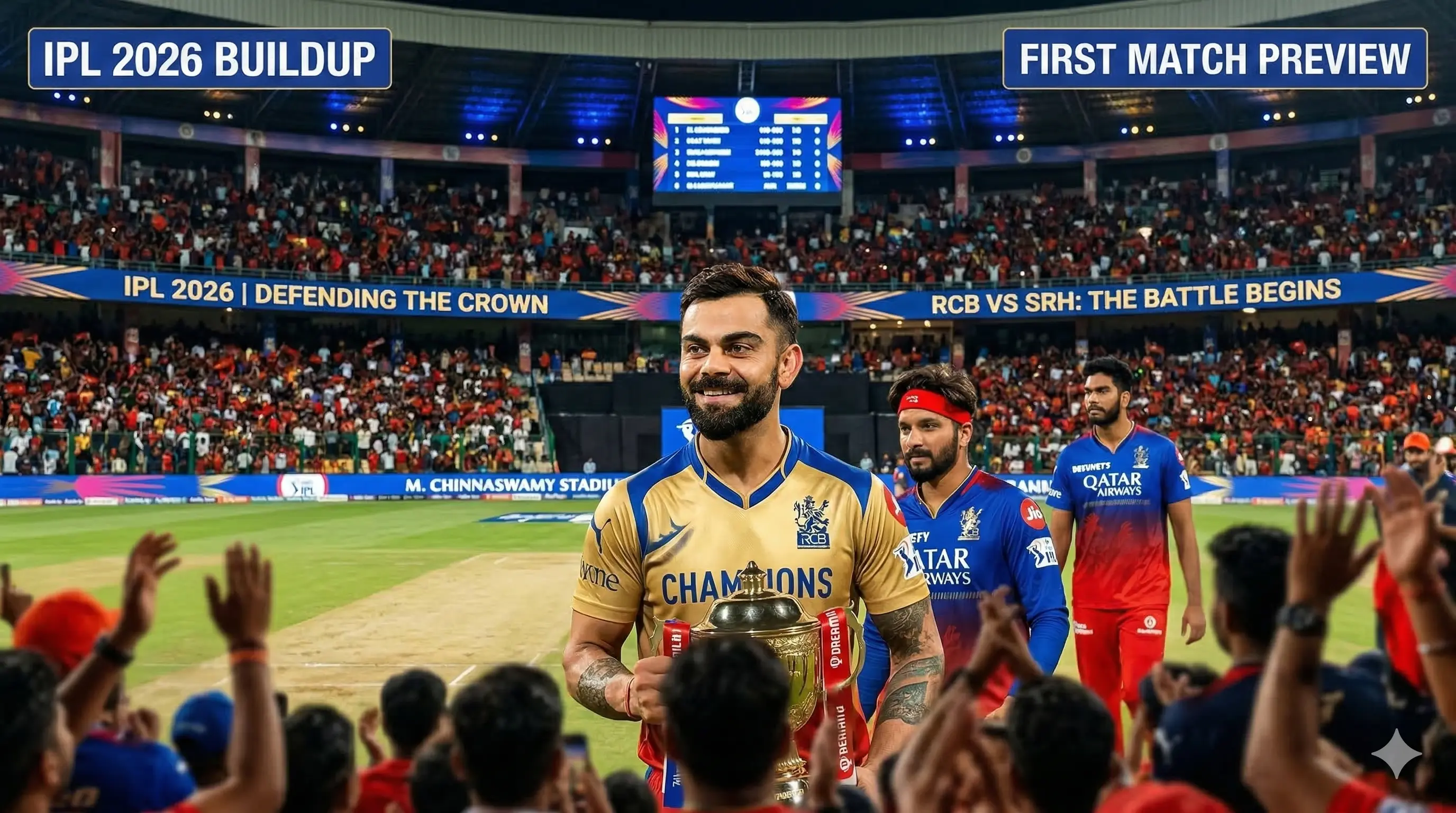
IPL 2026: The 84-Match Marathon That Changed Cricket Forever
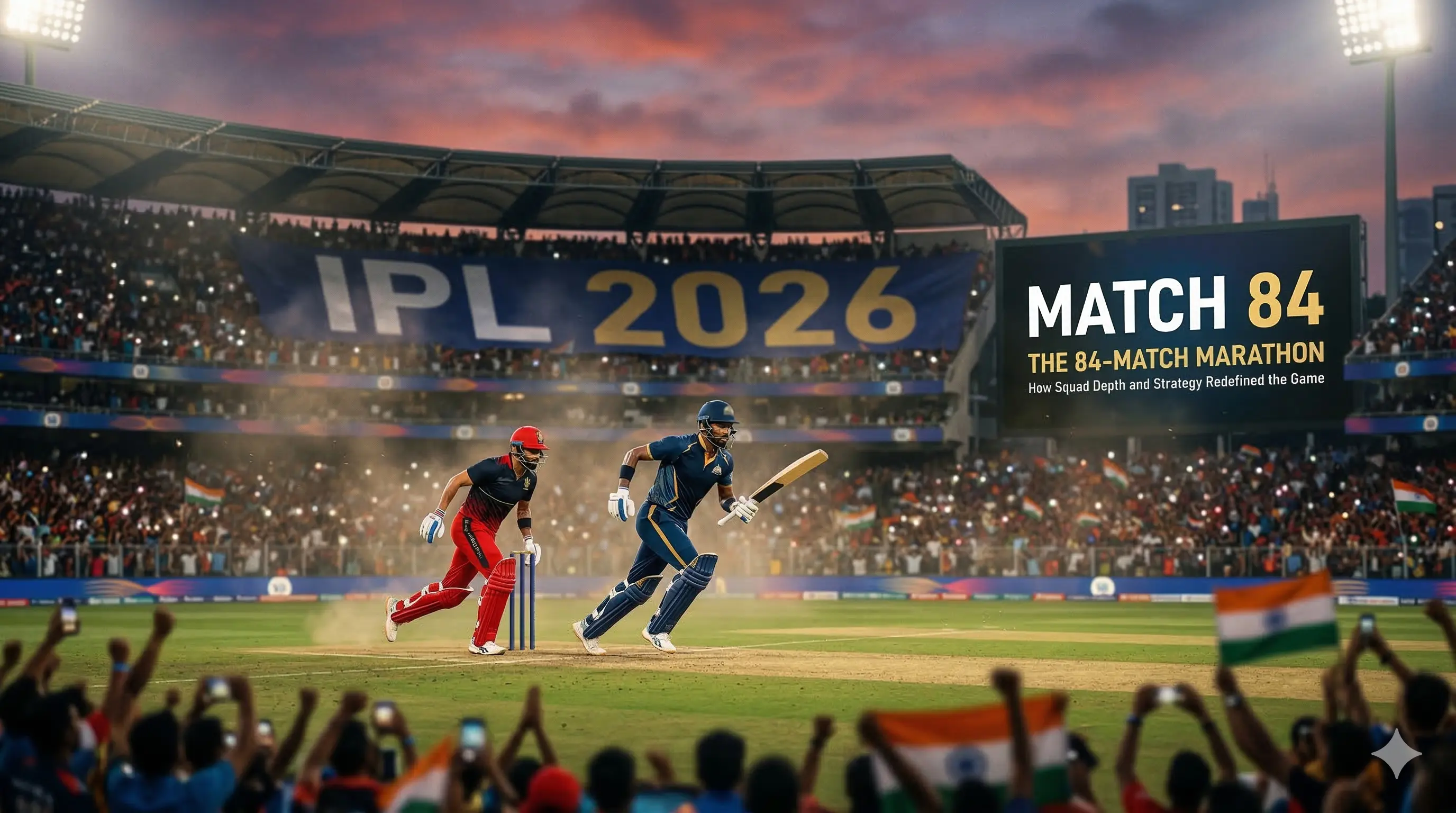
IPL 2026 was not just another edition of the tournament; it was a defining moment in the evolution of T20 cricket.
With 84 matches played across more than two months, the league transformed into a test of endurance, planning, and adaptability. What initially seemed like an expansion for entertainment quickly revealed itself as a structural shift in how modern franchise cricket operates. By the end of the season, it became evident that success was no longer determined solely by star players, but by how effectively teams could manage resources, maintain consistency, and adapt to continuous pressure.
What Made IPL 2026 Structurally Different

The most significant change in IPL 2026 was the expansion to an 84-match format. With 10 teams competing, the tournament adopted an extended league structure that required franchises to play more matches in a tighter schedule. This resulted in reduced recovery time between games and forced teams to rethink traditional strategies.
Unlike previous seasons, where a strong playing XI could carry a team through the tournament, IPL 2026 demanded depth across the entire squad. Rotation policies became critical, and teams had to balance performance with player fitness. The shift was not just in quantity but in the quality of decision-making required throughout the season.
| Category | Details |
|---|---|
| Teams | 10 |
| Total Matches | 84 |
| Duration | ~2 Months |
| Playoffs | Top 4 |
Understanding the 84-Match Format
The expanded format included 10 teams playing a larger number of league matches over approximately two months, followed by playoffs featuring the top four teams. While the structure retained the core identity of the IPL, the increased number of matches significantly altered the dynamics of competition.
Teams were required to maintain performance levels over a longer period, which made consistency more valuable than short bursts of brilliance. The format also increased the importance of planning, as franchises had to anticipate fatigue, manage workloads, and adjust strategies based on evolving conditions.
Player Fatigue and Injury Impact
One of the most noticeable consequences of the extended season was the physical and mental strain on players. With matches scheduled closely together, fatigue became a recurring issue, particularly for key players who featured regularly. This led to fluctuations in performance and, in some cases, increased injury concerns during the middle and later stages of the tournament.
Teams that relied heavily on a few star players found it difficult to sustain momentum. In contrast, those with well-balanced squads and effective rotation strategies were better equipped to handle the demands of the season. IPL 2026 highlighted the growing importance of fitness management and long-term planning in modern cricket.
Winners and Losers of the New Format
The 84-match structure clearly separated teams based on their depth and adaptability. Franchises with strong bench strength, versatile players, and well-planned rotation systems emerged as the biggest beneficiaries of the new format. These teams were able to maintain performance levels even when key players were rested or unavailable.
On the other hand, teams that depended heavily on a limited group of star performers struggled to cope with the extended schedule. A lack of quality backups and inadequate workload management often resulted in inconsistent performances. The season reinforced the idea that success in modern T20 leagues depends on the collective strength of the squad rather than individual brilliance alone.
IPL 2026 vs Previous Seasons
Compared to earlier editions, IPL 2026 marked a clear transition from a relatively balanced tournament to a high-intensity competition. The increase from around 70 matches to 84 matches significantly raised the level of difficulty. Player workload increased, strategic complexity grew, and the importance of squad depth became more pronounced.
While previous seasons allowed teams to rely on a stable lineup, the 2026 edition required constant adjustments. This shift not only changed how teams approached matches but also how they prepared for the tournament as a whole.
Strategy Over Stardom
One of the most defining aspects of IPL 2026 was the shift in focus from star power to strategic planning. Teams began to prioritize systems over individuals, emphasizing data-driven decisions, match-specific tactics, and fitness management.
This approach allowed franchises to remain competitive even in challenging situations. The emphasis on planning and adaptability indicated a broader transformation in how T20 cricket is played and managed.
Key Insights from the Season
The expanded format resulted in a noticeable increase in player rotation, as teams sought to manage workloads effectively. Bench players played a more significant role than ever before, often stepping in during crucial moments. At the same time, injury concerns became more prominent, highlighting the physical demands of an extended season.
These developments suggest that future editions of the IPL will place even greater emphasis on squad depth, fitness, and analytics.
Fan Experience
From a fan’s perspective, IPL 2026 offered more matches, more action, and greater engagement. The extended schedule meant that cricket enthusiasts had consistent entertainment over a longer period.
However, the increased volume of matches also led to concerns about viewer fatigue. With games taking place almost daily, some fixtures lost their sense of occasion.
Business Impact
Beyond cricket, IPL 2026 was a major commercial success. The additional matches created more opportunities for advertising, sponsorships, and ticket sales, while streaming platforms benefited from increased viewership.
This growth reinforced the IPL’s position as one of the most valuable sports leagues in the world.
Conclusion
IPL 2026 marked a significant turning point in the history of the tournament. By expanding to an 84-match format, the league redefined the demands of T20 cricket and highlighted the importance of depth, strategy, and endurance.
As the IPL continues to evolve, the lessons from 2026 will shape the future of the competition.
FAQs
Why did IPL 2026 have 84 matches?
The format was expanded to increase engagement and competition.
How is IPL 2026 different from previous seasons?
It features more matches and higher player workload.
Did it affect players?
Yes, fatigue and injuries increased.
About the Author

Sudhanshu Shekhar
Sudhanshu Shekhar is a cricket analyst and sports writer specializing in IPL, international cricket, and tournament analysis. As the Sports Editor of ApexAdPros, he provides in-depth match breakdowns, player insights, and cricket statistics for fans around the world. His coverage focuses on match strategies, key moments, and emerging cricket talent across global tournaments.